Contact Sales Team
Supercapacitors, the Future of Energy Storage

Supercapacitors, also known as ultracapacitors or electrochemical capacitors, are a class of Electrical Energy Storage Systems (EESSs). This category also includes conventional capacitors, batteries, fuel cells and superconducting magnetic energy storage devices.
It is often said that supercapacitors bridge the performance gap between conventional capacitors and rechargeable batteries. This comparison primarily refers to their power and energy density characteristics, which position them between traditional capacitors (high power, low energy) and batteries (high energy, lower power).
How to choose between conventional capacitors, supercapacitors and rechargeable batteries?
The choice of an energy storage device depends mainly on how quickly energy is needed and how long the device must operate.
- For example, if a flashlight needs to operate for several minutes or even hours, the energy should be delivered slowly and continuously over a longer period. In this situation, a battery is the better option because it can store a large amount of energy. However, it cannot deliver that energy very quickly, since its power density is relatively low.
- In contrast, regenerative braking systems in the automotive industry often use supercapacitors. During braking, a significant amount of energy is generated within a very short time. Supercapacitors are well-suited for this purpose, as they can absorb energy quickly and release it again during vehicle acceleration.
- Conventional capacitors are used when very fast energy delivery is required, but only in very small amounts and typically for extremely short durations (microseconds to milliseconds). One of the possible applications is in industrial camera flashes, where a short, high-current pulse is needed.
It can be seen that supercapacitors combine characteristics of both systems. They are designed to achieve significantly higher capacitance values. Their electrodes are made of highly porous materials, mostly activated carbon, which provides an extremely large effective surface area. Instead of relying on a solid dielectric layer, supercapacitors form an electrical double layer at the interface between the electrode surface and the electrolyte. This double layer is only a few nanometers thick. With this, they offer much higher energy density than traditional capacitors while maintaining substantially higher power density and longer cycle life than batteries. Longer life comes from the fact that a supercapacitor electrode experiences significantly fewer chemical phase changes during continuous charge and discharge than a battery.
The relationship and inherent trade-off between energy density and power density between different energy storage systems can be represented using a Ragone plot. It is a graphical tool that compares energy storage technologies by plotting energy density against power density, usually on logarithmic scales. In general, batteries appear in the region of high energy density but relatively low power density, while conventional capacitors occupy regions of very high power density but low energy density. SCs or electrochemical capacitors are positioned between these two technologies, demonstrating moderate energy density and high power density.
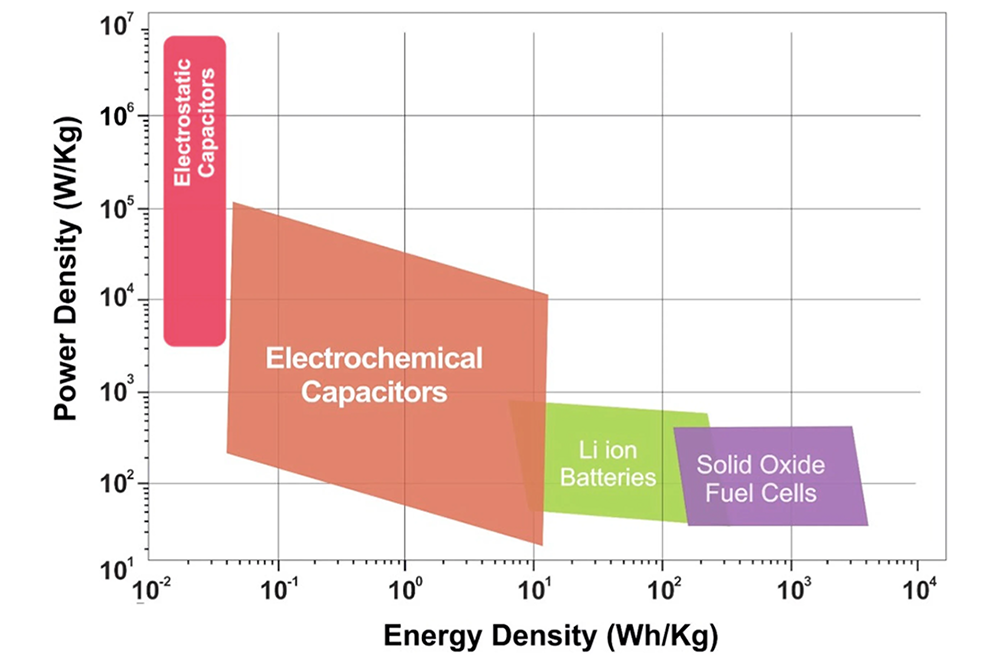
- A conventional capacitor is like a sprinter-it can run really fast but for a short distance.
- A battery is like a marathon runner, slower, but it keeps going for hours.
- A supercapacitor is the middle-distance runner – it goes fast and carries a decent amount of energy, though not as much as a battery.
Where are they used?
Supercapacitors are becoming very popular and are covering a variety of industries.
UPS systems performance boost
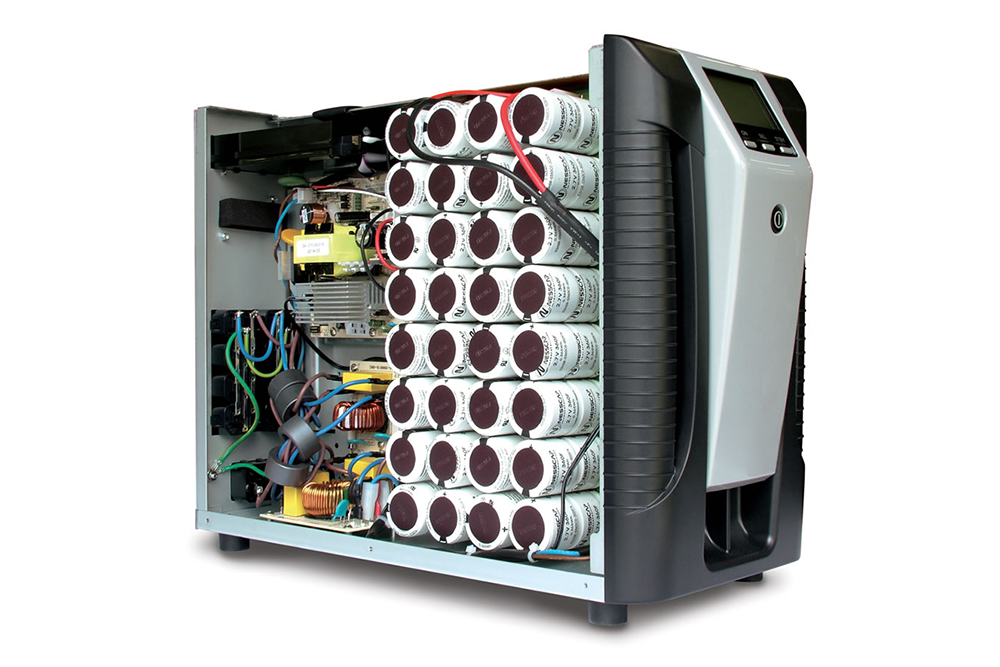
An Uninterruptible Power Supply (UPS) system provides continuous power during outages, enabling connected equipment to operate without interruption and allowing backup systems to activate. Supercapacitors are a promising alternative to traditional sealed lead-acid batteries in UPS applications because they can store and release energy very quickly. This fast response helps compensate for short-term power interruptions and voltage fluctuations, which is critical when starting emergency generators immediately after a power failure. Also, supercapacitors offer a significantly longer cycle life than batteries, resulting in lower maintenance requirements and reduced total lifecycle costs.
Access solutions application
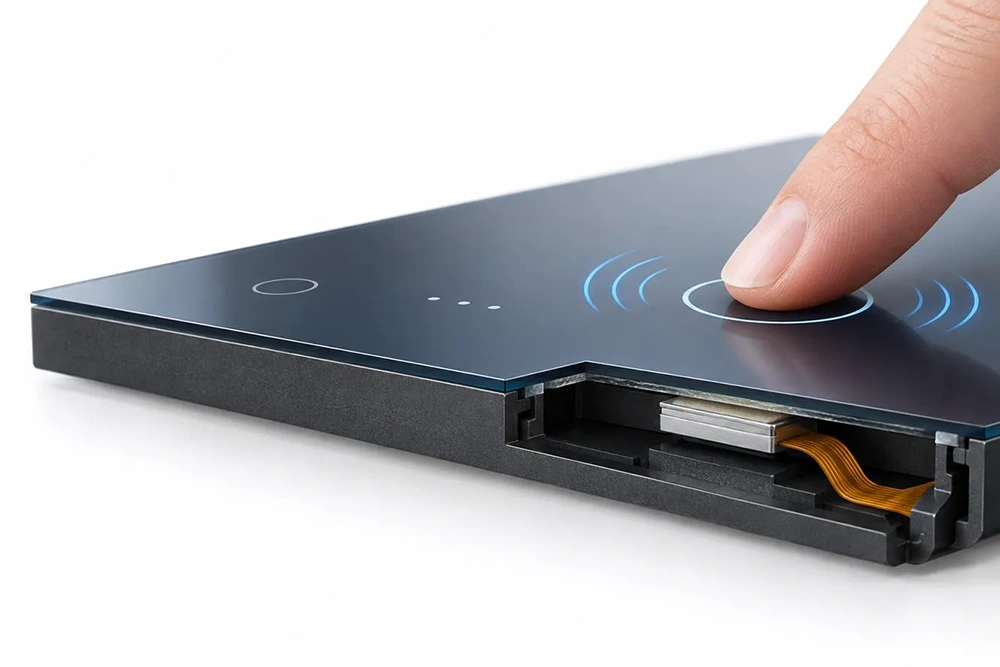
The integration of supercapacitors into electronic access systems, particularly electronic door locks, has become an important trend in modern building automation and security solutions. Centrally controlled electronic door locks are usually connected to a network that provides power and control signals. The lock relies on electromechanical actuators to physically move the locking mechanism. It is important to have battery backup or the ability to automatically enter a predefined state, locked or unlocked, if the main power fails. This is where supercapacitors come in. Thanks to their high power density, fast charge–discharge capability, and long cycle life, supercapacitors help overcome key limitations of conventional battery-based systems in access control applications.
Defence and military applications
Supercapacitors are used in a wide range of devices and systems, including communication equipment, sensor platforms, radar systems, torpedoes, electromagnetic pulse (EMP) systems, unmanned aerial vehicle (UAV) launchers, and global positioning systems (GPS). In military vehicles and armoured systems, supercapacitors provide reliable backup power for electronic units and critical control systems operating under extreme conditions.
Medical applications
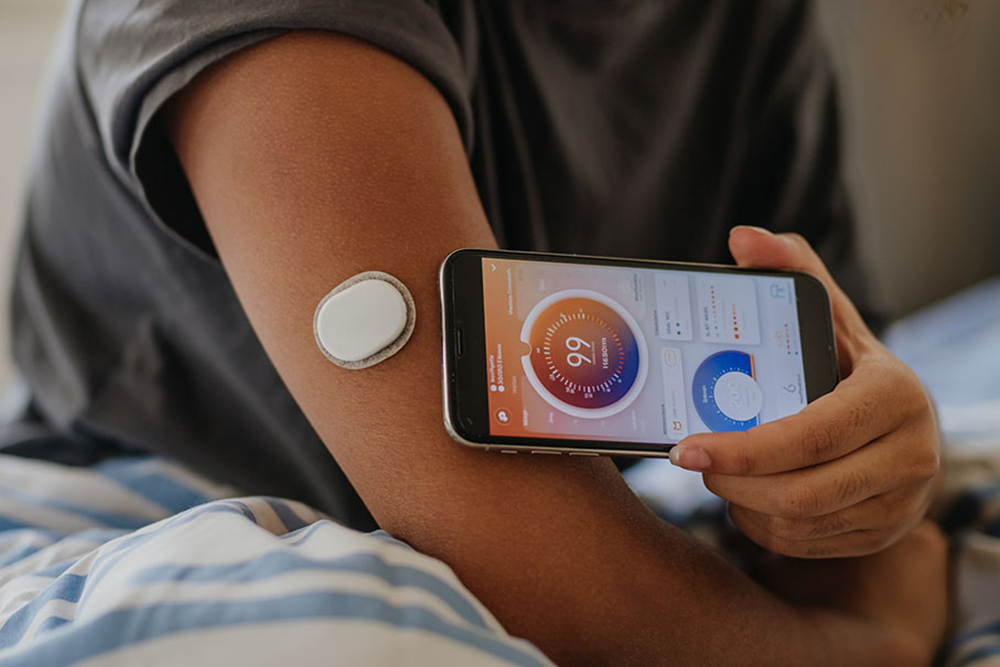
Supercapacitors are used in wearable and portable medical devices (such as blood gas analysers, ultrasonic echo machines, and defibrillators) as well as implanted medical devices (such as insulin pumps, pacemakers, and defibrillators).
Hybrid electric vehicles, electric vehicles and fuel cell vehicles
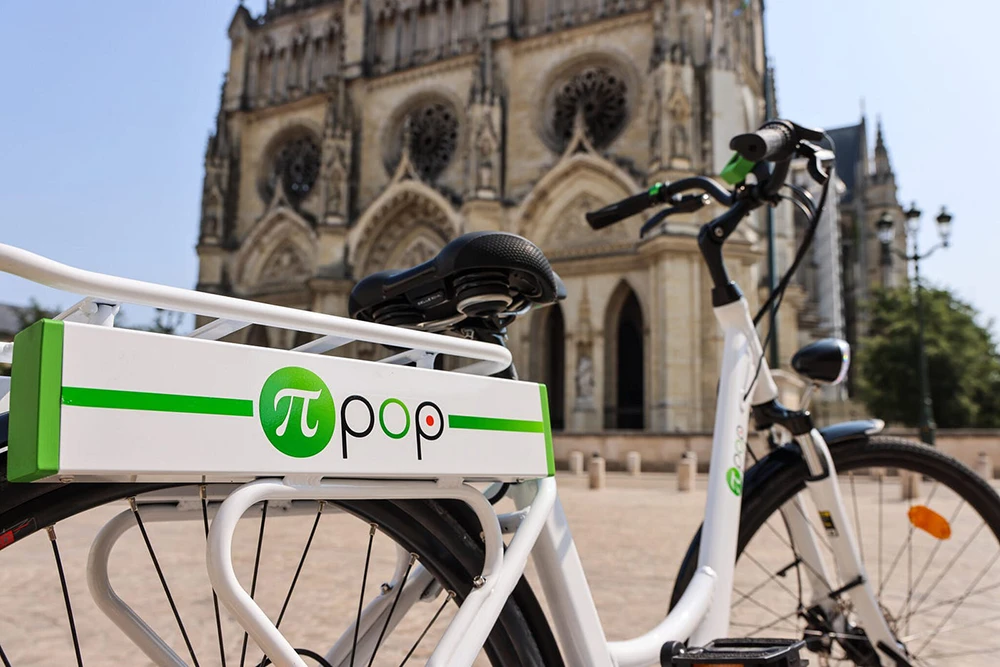
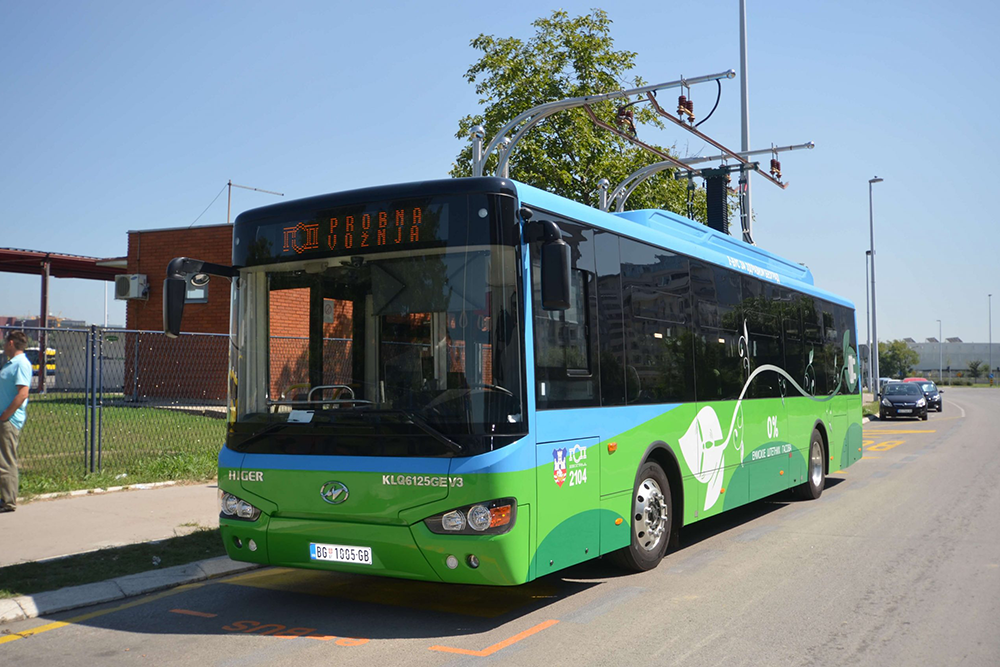
In EVs and HEVs, supercapacitors typically operate alongside lithium-ion batteries in a complementary configuration. During regenerative braking, kinetic energy that would otherwise be lost as heat is converted into electrical energy. Supercapacitors can absorb this energy quickly due to their high-power density and low ESR. During acceleration, vehicles require short bursts of high power. Supercapacitors can deliver this power instantly, reducing the load on lithium-ion batteries. By handling these high power demands, they prevent excessive stress on the battery packs. Using supercapacitors as the energy storage device is particularly viable in public transportation systems like buses that must frequently stop, since it takes seconds to charge them. These so-called capa-buses have been running for more than 15 years in Sofia (Bulgaria), Graz (Austria), Shanghai and Hong Kong (China) and Belgrade (Serbia).
Grid stabilisation and frequency regulation
The increasing integration of renewable energy sources such as solar and wind power introduces variability and uncertainty into modern electrical grids. Because renewable generation depends on weather conditions, power production can fluctuate rapidly. To maintain stable operation, the electrical grid must continuously balance supply and demand. Supercapacitors contribute significantly to grid stabilisation by providing instantaneous power injection and absorption. Their extremely fast response time and high power density enable them to react within milliseconds to sudden changes in grid conditions.
Energy harvesting systems
Supercapacitors serve as highly efficient energy storage components in energy harvesting systems, where electrical energy is collected from ambient sources such as mechanical vibrations, thermal gradients, or light. These systems convert otherwise wasted energy into usable electrical power. Low-power Internet of Things (IoT) devices often require continuous but small amounts of energy to operate sensors, transmit data, or perform computations. By integrating supercapacitors into energy harvesting systems, IoT devices can function wirelessly and autonomously, eliminating the need for frequent battery replacements. This capability is particularly valuable in remote or hard-to-access locations, such as environmental monitoring stations, industrial equipment, or wearable electronics.
👉 For more information on applications, specifications, or required quantities, please contact Telcona – your trusted partner for high-performance electronic components.