Contact Sales Team
The ECE GQ D-coil relays for smart home and building automation
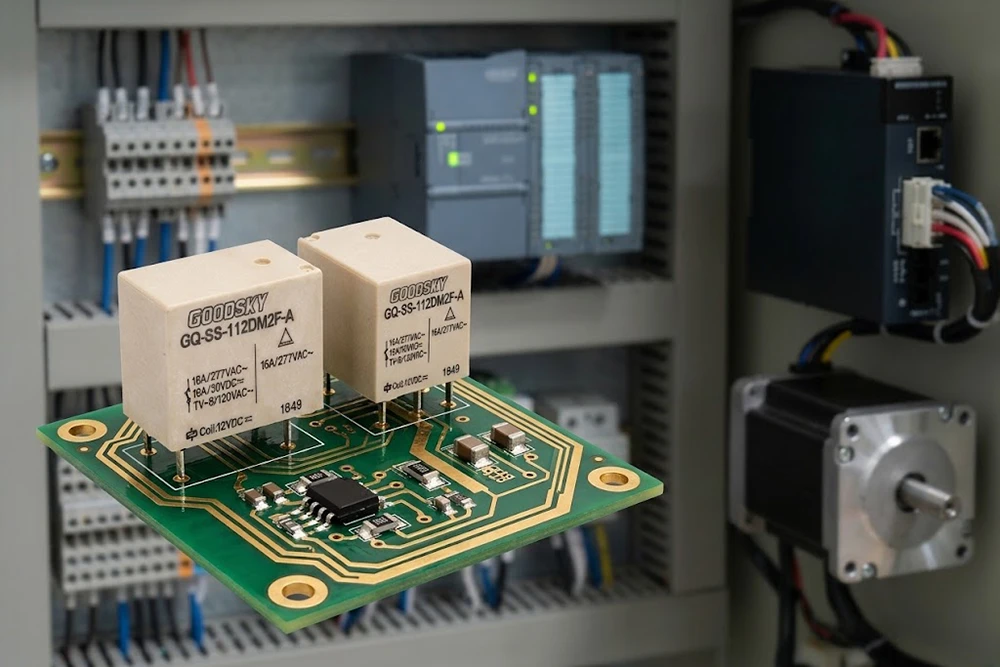
The ECE GQ series now reaches 20 A in the same 18.2 × 15 × 10 mm package it has always used, and with the same UL motor approval as the 16 A version. On the same board area, a channel carries a quarter more current. This article briefly covers where these relays fit, what they are certified for, and when to choose 16 A over 20 A.
Automation is no longer a consumer decision
Building automation is the one part of the smart home that is becoming mandatory. The revised Energy Performance of Buildings Directive (EU) 2024/1275 requires building automation and control systems in larger non-residential buildings, with mandatory automation functions in new and renovated homes from May 2026.
European smart home revenue is put at USD 24.44 billion in 2026, growing to USD 32.12 billion by 2031. Automated shading is the most direct beneficiary of the new rules: the automated blinds and shades market is valued at USD 2.52 billion in 2025 and is forecast to reach USD 3.84 billion by 2030, with motorized systems holding 70.65 percent of it.
This matters because of what the regulation forces into the wall. Daylight control, zone lighting and demand-based ventilation are not software features. Each one ends in a motor or a valve that something must switch.
The number of switched channels per building is rising, the number of controllers is rising, and the enclosures they sit in are not getting any bigger.
What actually moves
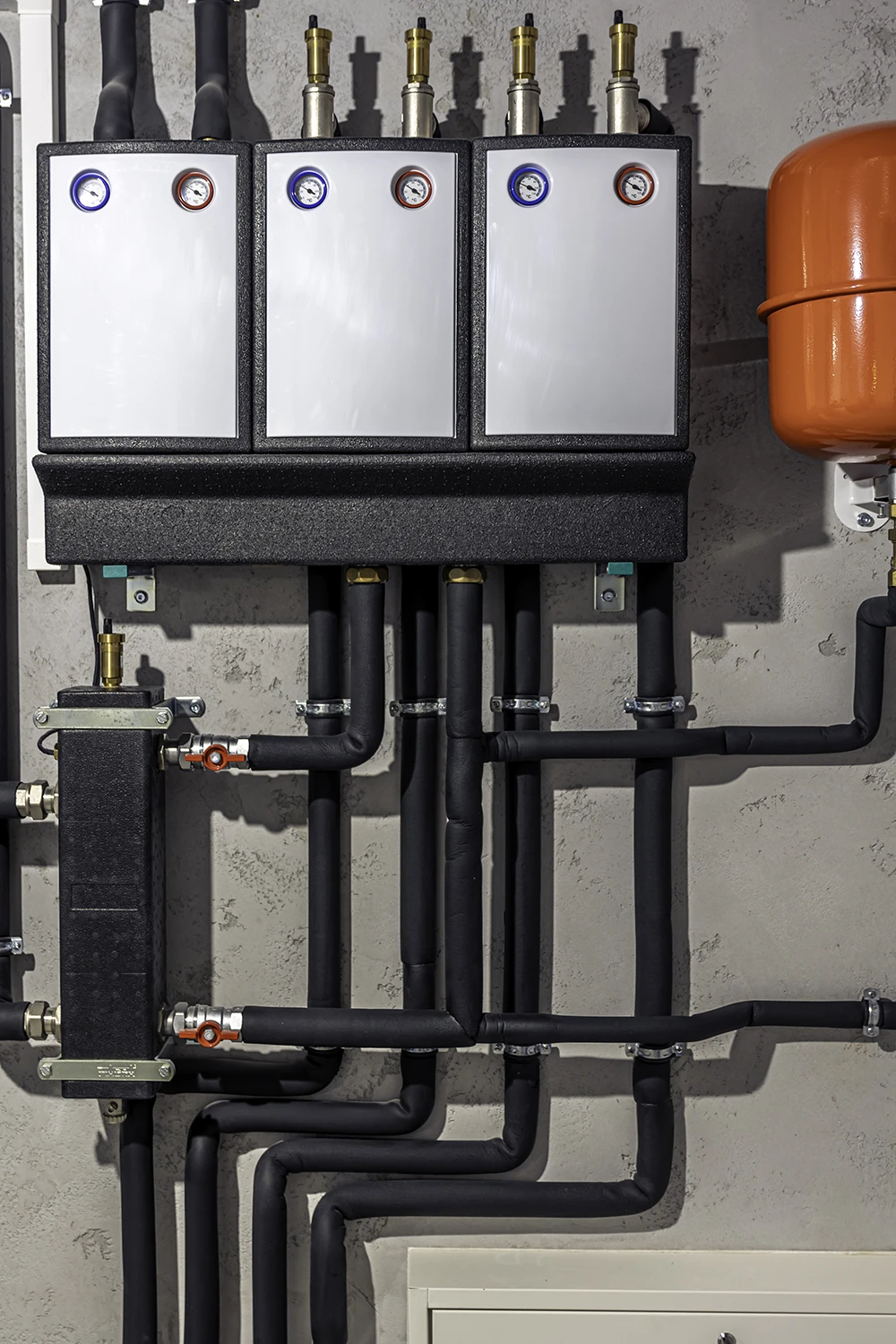
The motor-driven side of building automation falls into three families, and they share one output stage.
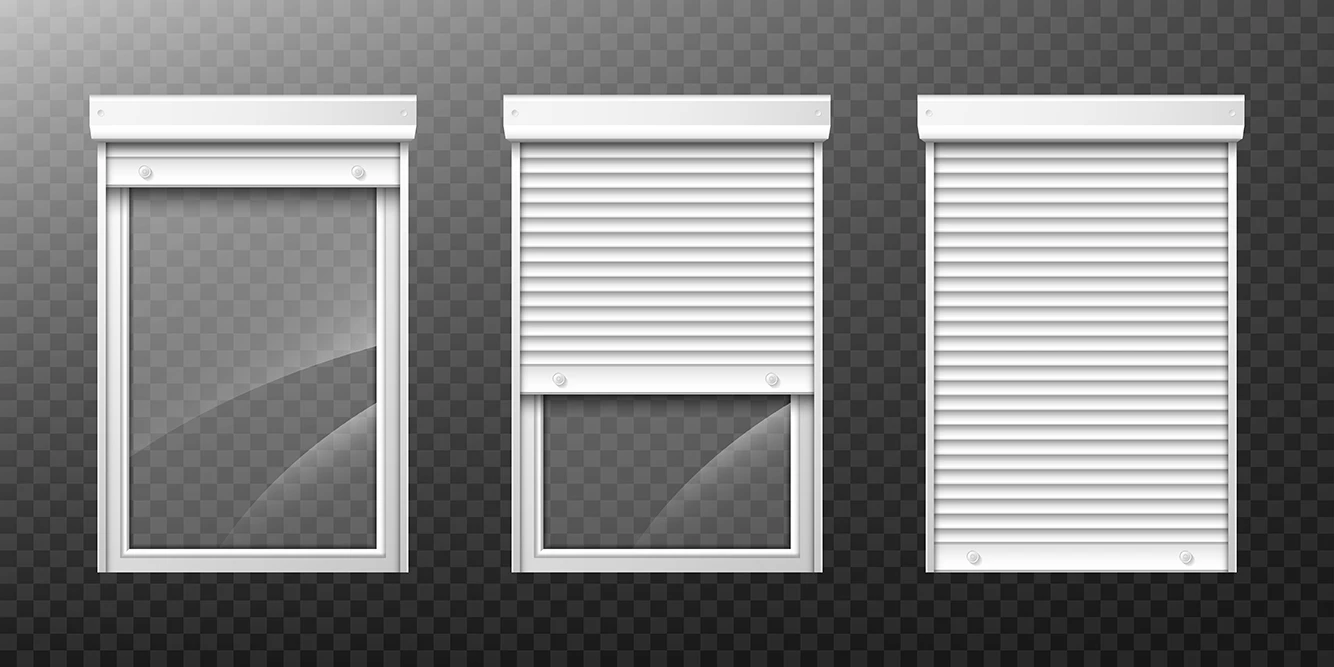
- Shading drives: roller shutters, external venetian blinds, awnings, projection screens, interior roller blinds.
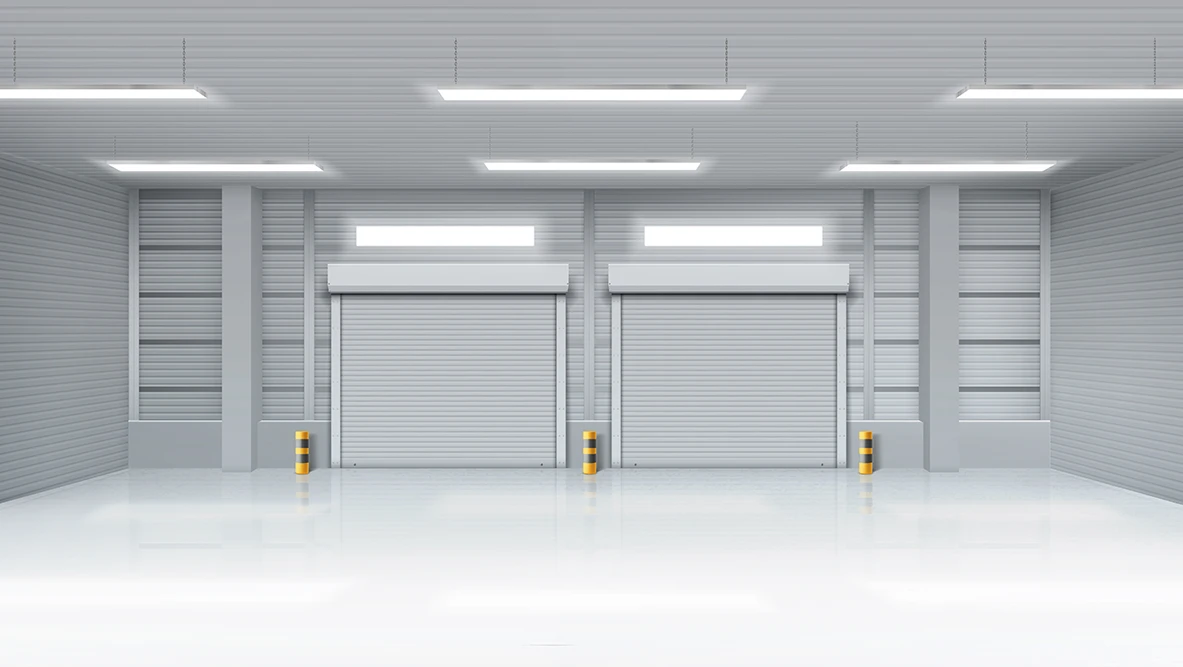
- Gate and door drives: sliding gates, swing gates, garage doors, industrial roller grilles.
- Valve, damper and window actuators: radiator and zone valves, ventilation dampers, roof windows.
What the relay actually does here
In building automation, the main purpose of the relay is to let a small and safe circuit command a large and dangerous one.
A shutter or gate controller has a low-voltage side (a 3.3 V microcontroller, a KNX or radio interface, milliamps) and a high-voltage side (a 230 V motor pulling amps). They must not share copper, or mains would reach the logic and the wall switch. The relay is the one component that bridges them without a connection: a small coil current makes the coil a magnet, the magnet pulls a lever, and the lever closes a contact that carries the 230 V motor current. The command crosses as a mechanical push, not as electricity.
The GQ series
The GQ series is not a single relay, it has 3 different product types, divided by coil type into:
- L coil type – LM1 (10 A)
-
D coil type – DM2F
- DM2F (16 A)
- DM2F-2 (20 A)
This article is about the D coil, because that is where the motor loads are. The 10 A LM1 is on the same line card and Telcona can sample it on request.
Package size: a quarter more current, no board area
The engineering point of the 20 A version is not the 20 A. It is that the 20 A part keeps the outline of the 16 A part.
The relay occupies 18.2 × 10 mm of board, which is 182 mm². That is the number to hold on to, because in this application it is never one relay.
At 16 A, those 182 mm² carry 16 A. At 20 A, the same 182 mm² carry 20 A. Board area per switched ampere drops from 11.4 mm²/A to 9.1 mm²/A: a 25 percent gain in current density at zero mechanical cost. No new enclosure, no new PCB outline, no new certification of the housing.
Motor loads qualification: UL certification for D coil
The entry that matters most in this application is one most general-purpose relays do not carry. Under UL 508, the D coil holds horsepower ratings: 1 HP at 277 VAC and 1/2 HP at 125 VAC. These are tested as motor loads, not as resistive approximations of them.
20 A DM2F carries the same UL items as the 16 A DM2F, the motor ratings and TV-8 included. The horsepower approval is not a reason to step down to 16 A; it is present on both. The contact material is AgSnO₂ (silver tin oxide with indium) on both, the material of choice for resisting welding under inrush.
Thermal and power parameters
Where the 16 A part still pulls ahead is endurance and headroom: 90,000 cycles at 277 VAC against 10,000 at 250 VAC, and ratings held at 105 °C rather than 85 °C.
| Coil type | Class | Temperature | Coil power | Endurance | Role |
|---|---|---|---|---|---|
| D (DM2F) | 16 A / 277 VAC | 105 °C | approx. 0.36 W | 90,000 switching cycles | Motor loads; highest endurance and temperature headroom |
| D (DM2F-2) | 20 A / 250 VAC | 85 °C | approx. 0.36 W | 10,000 switching cycles | Motor loads where board area is the constraint |
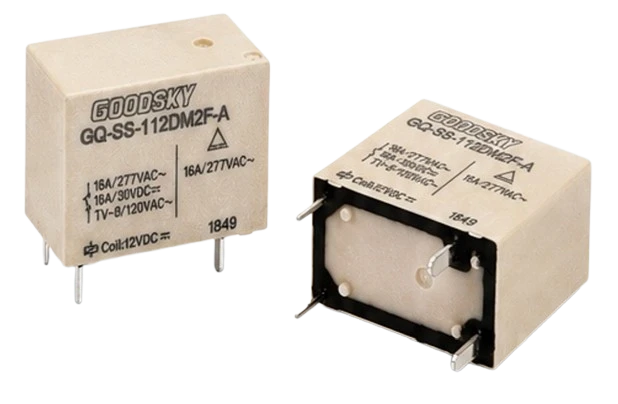
16 A DF2M relay. Note on the logo Goodsky: ECE acquired Goodsky and is now operating under ECE.
Read plainly: the 20 A part is not a strictly better 16 A part. It is the part you choose when board area is the binding constraint, and the channel must carry 20 A.
How to order
The upgrade path is visible in the part number itself. The 16 A and 20 A versions are not different products, they are different codes on the same DM2F type: position 8 sets the rated carrying current, and the special code at the end sets 20 A. The coil type decides what is available at all, which is why 16 A and 20 A appear only on the D coil.
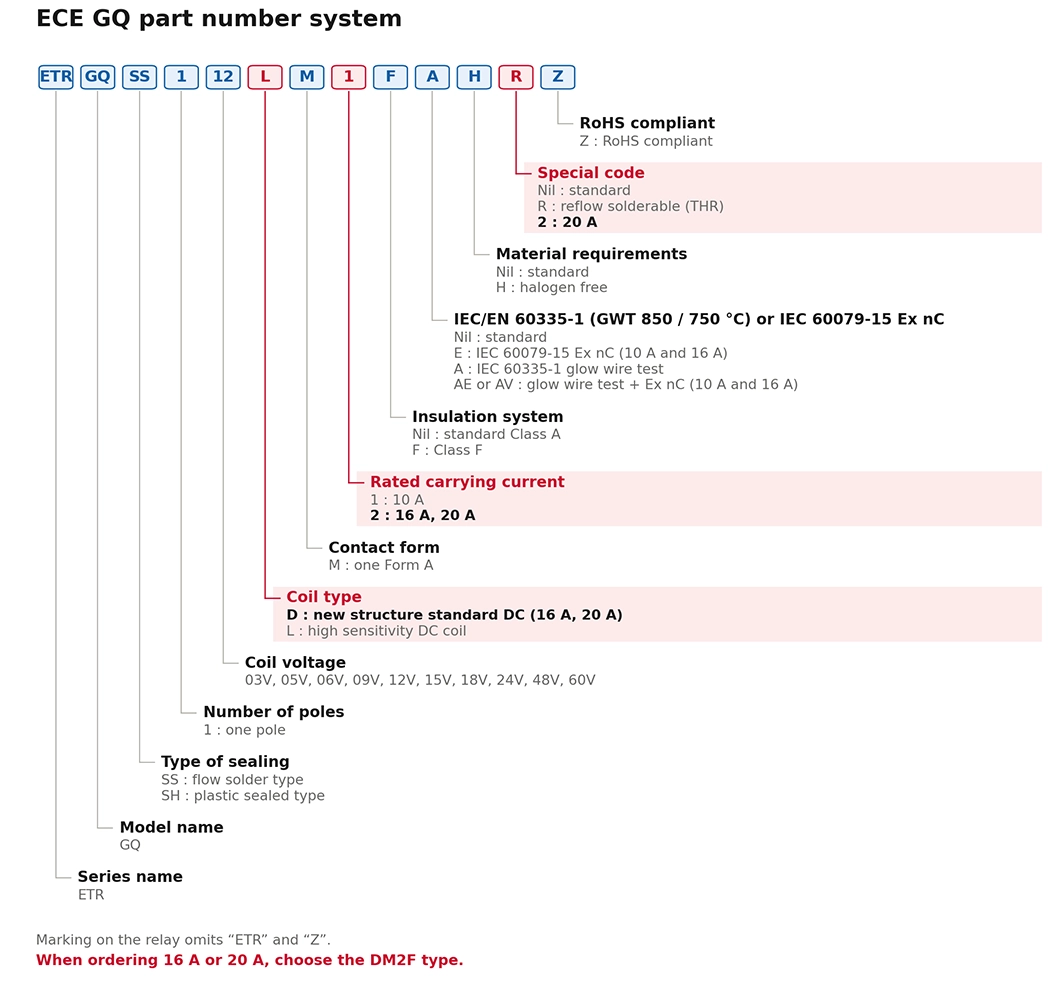
The three fields in red decide whether you get a 16 A or 20 A part
Where Telcona fits
Telcona has distributed electronic components since 1986 and works with ECE directly, not through a broker chain.
Practically, that means samples of the LM1, DM2F and DM2F-2 for evaluation on the board you already have, and written answers from the factory on the questions this article leaves open. Beyond the part, our engineering team in Belgrade supports the board around it, and procurement runs from Switzerland with just-in-time delivery and BOM analysis through Luminovo.
If you are switching motor loads in an enclosure that is not getting any bigger, get in touch.